Savor the flavors of Europe
Embark on a delightful journey through the rich culinary landscapes and exquisite bakery traditions of Europe. This is your destination for inspiration, learning, and the joy of creating delicious meals and treats.

Authentic tastes, global inspiration
What makes our European culinary and bakery content truly special? We dive deep into recipes from their respective countries and regions, aiming to replicate the authentic taste as much as possible. We understand that environmental differences in ingredients can impact results, and we guide you through adapting to these nuances. Discover a wealth of knowledge that educates you on specific culinary and bakery traditions, bridging the gap between old-world charm and modern-day kitchens.

For every food lover and aspiring chef
This page is crafted for everyone who loves good food and aspires to live a healthy lifestyle. Whether you're a parent looking for engaging activities for kids and teenagers interested in the food industry, an emerging adult getting on your own feet in the kitchen, or a professional chef or baker eager to explore new recipes, you'll find something to spark your passion here. Our content is designed to educate and inspire, fostering a deeper connection with the art of cooking and baking.
European Culinary and Bakery
European culinary traditions are rich and diverse, showcasing a variety of flavors and techniques across different regions.
In Hungary, hearty dishes like goulash and chimney cake reflect the country's agricultural roots and vibrant culture.
Italy, known for its Mediterranean cuisine, offers an array of pasta, pizza, and fresh seafood, emphasizing the importance of high-quality ingredients and traditional cooking methods.
England's culinary scene, though often underestimated, boasts classic dishes such as fish and chips and Sunday roasts, while also embracing modern gastronomy.
Greece, with its emphasis on fresh vegetables, olive oil, and herbs, provides a delightful palette of flavors through dishes like moussaka and baklava.
Another key topic to explore is the influence of regional ingredients on European baking.
Each country utilizes local produce and grains, resulting in unique breads, pastries, and desserts that tell the story of their surroundings. For instance, the use of rye in Northern European breads contrasts with the wheat-based pastries of Southern Europe, illustrating how geography and climate shape culinary practices.

Eastern European
Eastern European cuisine is a rich tapestry of flavors, traditions, and ingredients that reflect the diverse cultures of the region. From hearty stews and dumplings to fermented foods and pastries, each country offers unique dishes that are deeply rooted in history. Ingredients like potatoes, cabbage, and beets are staples, often prepared in ways that highlight their natural flavors. The influence of neighboring countries can be seen in the various cooking styles and techniques, making Eastern European culinary traditions both distinctive and interconnected.
Fermentation and Preservation Techniques
One of the standout features of Eastern European cuisine is the emphasis on fermentation and preservation techniques. This method not only extends the shelf life of seasonal produce but also enhances the flavors of ingredients. Sauerkraut, pickled vegetables, and kvass are just a few examples of how fermentation plays a vital role in the diet of many Eastern European countries. These practices have historical significance, as they were essential for survival during harsh winters, and today they continue to be celebrated for their health benefits and unique taste profiles.
Eastern European Bakery Arts and Recipes
Eastern European bakery arts are a rich and diverse tapestry of traditions, flavors, and techniques that have been lovingly passed down through countless generations. From the flaky, delicate layers of a traditional Hungarian strudel to the hearty, sweet breads that are so popular in Poland, each region boasts its own unique specialties that beautifully reflect its rich cultural heritage. Recipes often feature beloved ingredients like aromatic poppy seeds, crunchy walnuts, and a variety of seasonal fruits, creating delightful pastries and breads that are not only comforting but also celebratory in nature.
Seasonal Celebrations and Festive Bakes
In Eastern Europe, the art of baking is often intricately intertwined with seasonal celebrations and festive occasions that mark the calendar year. Each holiday comes with its own unique set of traditional baked goods, such as the sweet, braided challah that is lovingly prepared for Jewish Shabbat, or the rich, spiced gingerbread cookies that beautifully adorn Christmas markets. These seasonal bakes not only serve as delicious treats but also as meaningful symbols of cultural identity and community, bringing families together to share in the joy of creation and the warmth of togetherness during special times of the year, fostering bonds that last well beyond the festive season.

Mediterranean European
The Mediterranean European culinary tradition is celebrated for its vibrant flavors, fresh ingredients, and health-conscious dishes. This cuisine emphasizes the use of seasonal produce, olive oil, whole grains, and lean proteins, reflecting the region's agricultural abundance. Signature dishes such as paella from Spain, risotto from Italy, and moussaka from Greece showcase the diversity of flavors and cooking techniques across the Mediterranean basin. Additionally, herbs and spices play a crucial role, enhancing the taste of meals while promoting health benefits.Wine Pairing in Mediterranean Cuisine
Wine pairing is an integral aspect of Mediterranean European culinary culture, enhancing the dining experience through complementary flavors. Each region boasts its own unique varietals, with countries like Italy, France, and Spain producing some of the world's most renowned wines. For instance, a crisp Sauvignon Blanc pairs beautifully with fresh seafood dishes, while a robust Chianti complements rich pasta sauces. The tradition of enjoying wine with meals not only elevates the flavors but also fosters a sense of community and celebration, making it an essential element of Mediterranean dining.
Mediterranean European Bakery Arts and Recipes
The Mediterranean region is renowned for its rich culinary traditions, particularly in bakery arts. From flaky pastries to hearty breads, each recipe tells a story of cultural heritage and local ingredients. Classic items like baklava, with its layers of phyllo dough, nuts, and honey, showcase the region's love for sweet and savory combinations. Additionally, rustic loaves such as ciabatta and focaccia highlight the importance of simple, high-quality ingredients, often enhanced with herbs and olive oil, making them staples in Mediterranean diets.
The Art of Bread Making
At the heart of Mediterranean baking lies the art of bread making, a practice steeped in tradition and community. Each country boasts its unique bread varieties, from the sourdoughs of Italy to the pita breads of Greece. The process often involves time-honored techniques, such as long fermentation periods that develop rich flavors and textures. Bread is more than just a staple; it serves as a symbol of hospitality and sharing, often featured in communal meals and celebrations. Learning these artisanal methods not only connects bakers to their cultural roots but also elevates the everyday experience of enjoying freshly baked bread.

Western European
Western European cuisine is a rich tapestry of flavors and traditions, influenced by the region's diverse geography and history. From the hearty stews of France to the delicate pastries of Austria, each country boasts its own unique culinary identity. Key ingredients often include fresh herbs, quality meats, and seasonal vegetables, reflecting the local agricultural practices. The emphasis on artisanal methods and regional specialties showcases the pride and passion that chefs and home cooks alike have for their craft.
Wine and Gastronomy
Another essential aspect of Western European culinary culture is the intricate relationship between wine and food. This region is home to some of the world's most renowned wine-producing countries, such as France, Italy, and Spain. Each wine region offers distinct varietals that perfectly complement local dishes, enhancing the overall dining experience. Wine pairing is considered an art form, where the right selection can elevate flavors and create harmonious balance on the palate. Whether it's a robust red with a hearty meal or a crisp white with seafood, the synergy between wine and food is celebrated across Western Europe, making it a cornerstone of its culinary heritage.
Western European Bakery Arts and Recipes
Western European bakery arts encompass a rich tapestry of traditions, techniques, and flavors that have evolved over centuries. From the flaky pastries of France to the hearty breads of Germany, each region offers unique recipes that reflect its cultural heritage. French patisserie, for instance, is renowned for its delicate éclairs and buttery croissants, while Italian baking showcases the rustic charm of focaccia and panettone. Understanding these culinary traditions not only enhances our appreciation for baked goods but also inspires home bakers to experiment with authentic recipes.
Artisanal Techniques and Modern Innovations
In addition to traditional recipes, the fusion of artisanal techniques with modern innovations is reshaping the landscape of Western European baking. Bakers are increasingly embracing sourdough fermentation, ancient grains, and organic ingredients, leading to healthier and more flavorful creations. This movement encourages a return to craftsmanship, where each loaf of bread or pastry is made with care and attention to detail. As bakers experiment with new flavors and methods, they are not only honoring their roots but also pushing the boundaries of what is possible in the world of baked goods.

Northern European
Northern European cuisine is a rich tapestry of flavors and traditions, influenced by the region's diverse geography and climate. The use of fresh, local ingredients is paramount, with an emphasis on seafood, root vegetables, and hearty grains. Countries like Sweden, Norway, Denmark, and Finland showcase unique dishes that reflect their cultural heritage, such as Swedish meatballs, Danish smorrebrod, and Finnish rye bread. Seasonal ingredients play a crucial role, with foraging for wild berries and mushrooms being a cherished practice.
Foraging and Sustainability
Foraging is not only a culinary practice but also a sustainable approach to cooking in Northern Europe. Many chefs and home cooks alike embrace the art of gathering wild herbs, mushrooms, and berries, which adds a unique touch to their dishes. This connection to nature fosters a deep respect for the environment and promotes biodiversity. By utilizing foraged ingredients, Northern European cuisine not only highlights the region's natural bounty but also encourages a sustainable food culture that values local ecosystems and seasonal eating.
Northern European Bakery Arts and Recipes
Northern European bakery arts are a rich tapestry of traditions, techniques, and flavors that reflect the diverse cultures of the region. From the hearty rye breads of Scandinavia to the delicate pastries of the Baltic states, each country boasts its own unique contributions to the world of baking. Ingredients such as whole grains, seasonal fruits, and local dairy play a crucial role in creating traditional recipes that have been passed down through generations. The emphasis on craftsmanship and the use of time-honored methods, like sourdough fermentation, results in baked goods that are not only delicious but also deeply rooted in the cultural heritage of Northern Europe.
The Role of Seasonal Ingredients
In Northern European baking, the use of seasonal ingredients is paramount. Bakers often rely on what is locally available throughout the year, leading to a strong connection between the changing seasons and the flavors of baked goods. For instance, autumn might bring spiced breads featuring apples and cinnamon, while summer could highlight fresh berries in pastries. This practice not only enhances the taste and quality of the baked items but also promotes sustainability and supports local agriculture, ensuring that each bite is a reflection of the region's natural bounty.
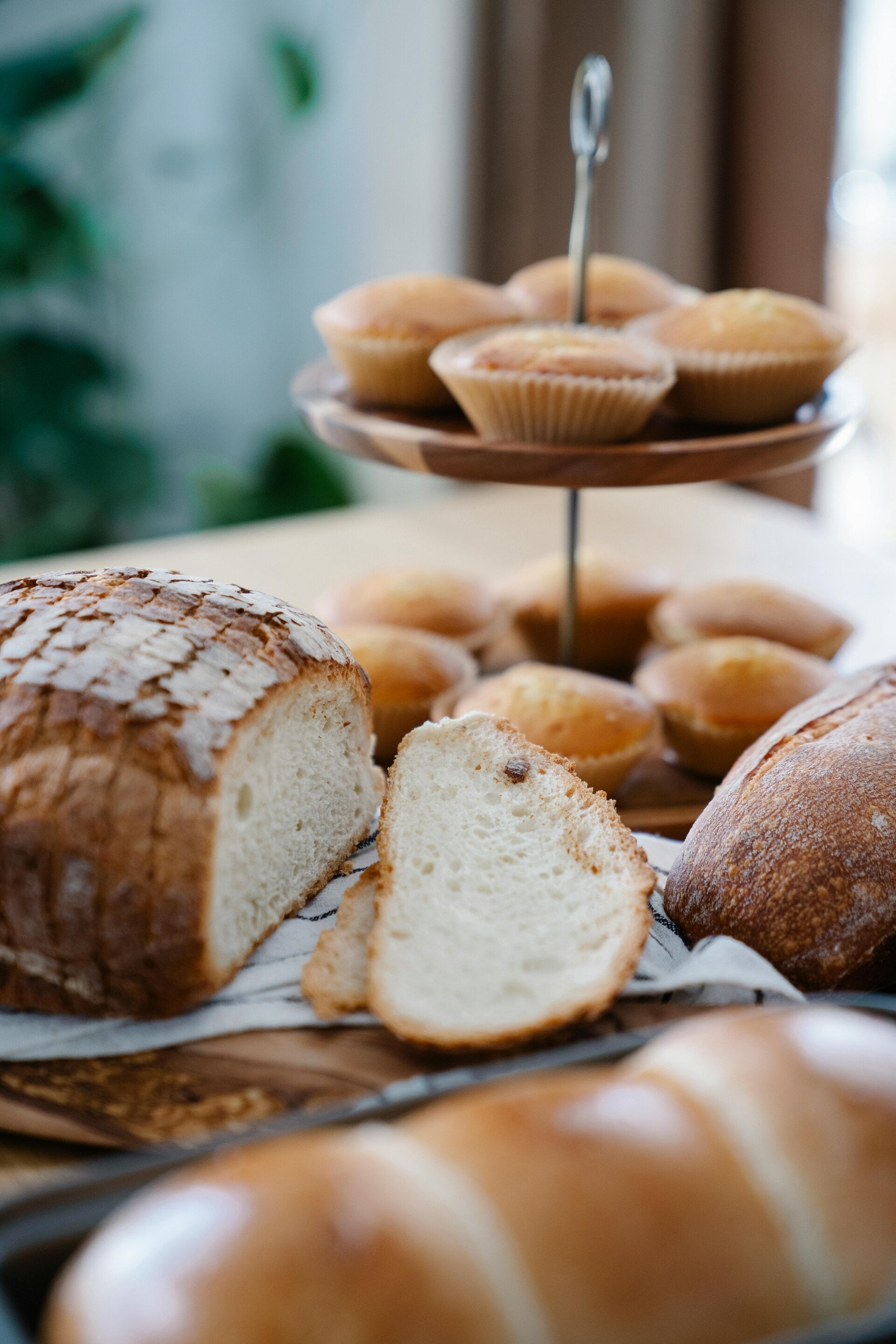
Explore Europe's culinary treasures
Join us as we explore the four main European culinary and bakery traditions, sharing a vast number of recipes and invaluable knowledge. From the hearty breads of Germany to the delicate pastries of France, the rich pasta dishes of Italy to the vibrant tapas of Spain, our blog posts will guide you through the diverse and delicious world of European food. Prepare to be inspired to learn cooking and baking, and to bring the authentic tastes of Europe into your home.